Italy in the summer is pure magic—sun-soaked piazzas, turquoise coastlines, historic cities, and unforgettable food. This 2-week Italian summer itinerary is designed to be efficient by location, realistic with travel times, and balanced between iconic tourist experiences and lesser-known gems. Whether you’re planning your first trip to Italy or returning for more, this route gives you the best of the country without unnecessary backtracking.
We’ve curated the perfect Italy itinerary to help you experience the very best the country has to offer. Thoughtfully planned by proximity, this route allows you to explore Italy’s most iconic cities, breathtaking landscapes, and unforgettable coastal destinations without unnecessary backtracking or rushed travel days. From world-class art and historic landmarks to charming villages, hidden gems, and incredible cuisine, this itinerary balances must-see highlights with authentic local experiences. Whether it’s your first time in Italy or a return visit, this journey is designed to make the most of your time while capturing the true essence of an Italian summer.
The best time to enjoy an Italian summer is from late May to June or September, when the weather is warm and sunny but the crowds are more manageable. These months offer long days, comfortable heat, and a lively atmosphere without the intensity of peak season, making sightseeing and travel more enjoyable. July and especially August are the busiest times, with very hot temperatures and large crowds, as Italians and international visitors alike are on holiday—August can also bring business closures in some cities. For a quieter experience that’s still hot and perfect for beaches and outdoor dining, late June and early September strike the ideal balance between summer warmth and a more relaxed pace.
Starting with Milan – Italy’s Fashion & Culture Capital
Estimated Time: 2 days
Milan is the perfect blend of modern energy and historic charm, making it a must-visit destination in Italy. As the country’s fashion and financial capital, it offers world-class shopping, cutting-edge design, and vibrant nightlife—while still being home to iconic landmarks like the Duomo di Milano and Leonardo da Vinci’s The Last Supper. Milan is also an ideal starting point for exploring northern Italy, with easy access to Lake Como and high-speed trains to the rest of the country. From elegant cafés to rich culture and cuisine, Milan delivers a uniquely sophisticated Italian experience.
Why Start Here
Milan has Italy’s largest international airport and excellent train connections.
Milan is a vibrant city where history meets modern style. The Duomo di Milano, with its stunning Gothic architecture and rooftop views, is a must-see, while the nearby Galleria Vittorio Emanuele II showcases elegant 19th-century design and luxury shopping. Art lovers can explore La Scala Opera House and the Pinacoteca di Brera, home to Italian Renaissance masterpieces. History buffs will enjoy Sforza Castle and its museums, and for a taste of modern Milan, the Porta Nuova district and Piazza Gae Aulenti offer sleek skyscrapers and contemporary architecture. Finally, the Navigli district, with its canals and lively streets, provides a picturesque spot to experience the city’s unique charm.


Lake Como – Italian Summer Elegance
Travel Time: Milan → Como: ~1 hour
Estimated Time: 2 days
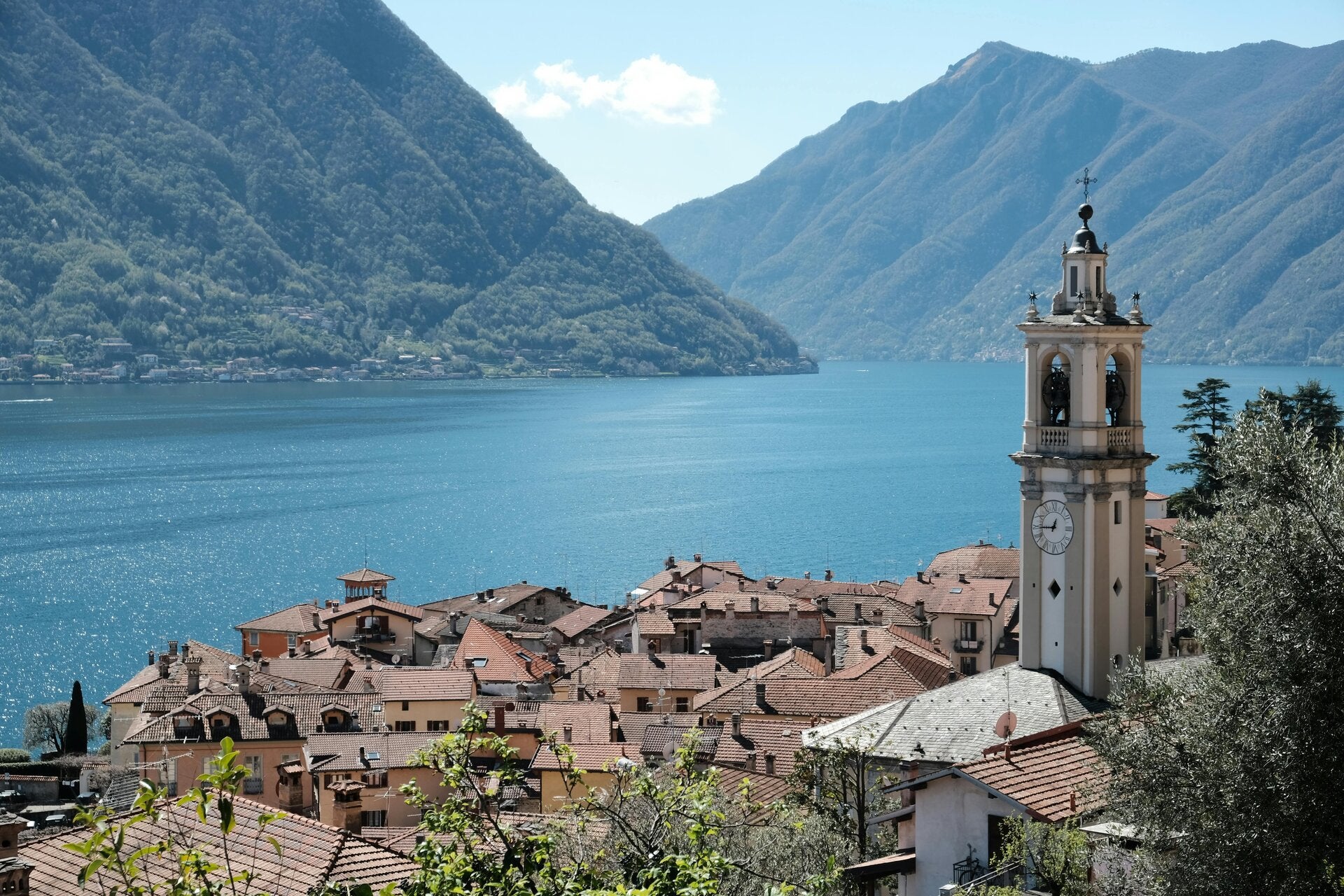
Lake Como is the definition of an Italian summer dream, known for its crystal-clear waters, dramatic mountain scenery, and elegant lakeside villages. Just an hour from Milan, it offers a peaceful escape with postcard-perfect towns like Bellagio and Varenna, scenic ferry rides, and beautiful waterfront villas. Whether you’re relaxing by the lake, exploring charming streets, or enjoying long meals with unbeatable views, Lake Como combines natural beauty and timeless luxury in a way few destinations can.
Lake Como is a stunning destination where charming villages meet dramatic mountains and sparkling waters. Como town offers a historic cathedral, scenic promenade, and a funicular ride to panoramic views from Brunate. Bellagio, the “Pearl of the Lake,” is famous for its cobblestone streets, lakeside terraces, and elegant gardens, while Varenna charms with colorful houses and the beautiful Villa Monastero gardens. Ferries connect the picturesque towns, including Menaggio, making it easy to explore the lake’s serene beauty and iconic villas.

Venice – Iconic & Romantic
Travel Time: Como → Venice: ~3 hours
Estimated Time : 3 days
Venice is one of the most unique cities in the world, built entirely on water and filled with timeless beauty at every turn. From gliding through canals and admiring historic palaces to exploring St. Mark’s Square and hidden alleyways, the city feels like an open-air museum. Beyond the iconic sights, Venice rewards travelers who slow down with quiet neighborhoods, local wine bars, and unforgettable sunsets over the lagoon. It’s a destination that feels romantic, historic, and completely unlike anywhere else.
Venice is a city of winding canals, historic architecture, and timeless charm. The Grand Canal is the heart of the city, lined with beautiful palaces and crossed by the iconic Rialto Bridge. St. Mark’s Square is home to the magnificent St. Mark’s Basilica and the Campanile, offering sweeping views of the city. Exploring the narrow streets and canals, including the quieter neighborhoods of Dorsoduro and Cannaregio, reveals hidden gems, charming bridges, and the unique magic of Venice at every turn.


Florence – Art, History & Food
Travel Time: Venice → Florence: ~2 hours
Estimated Time: 2 days
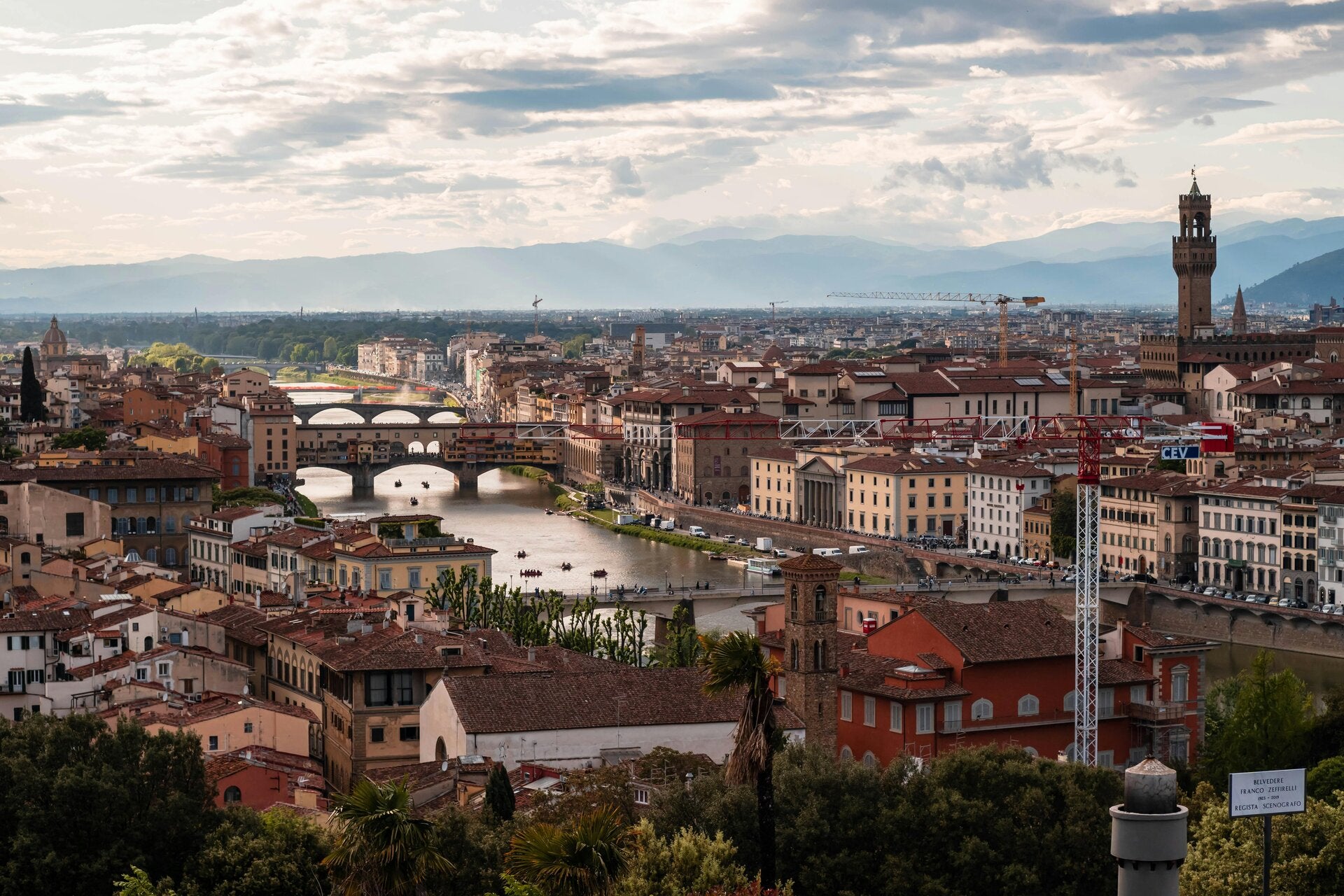
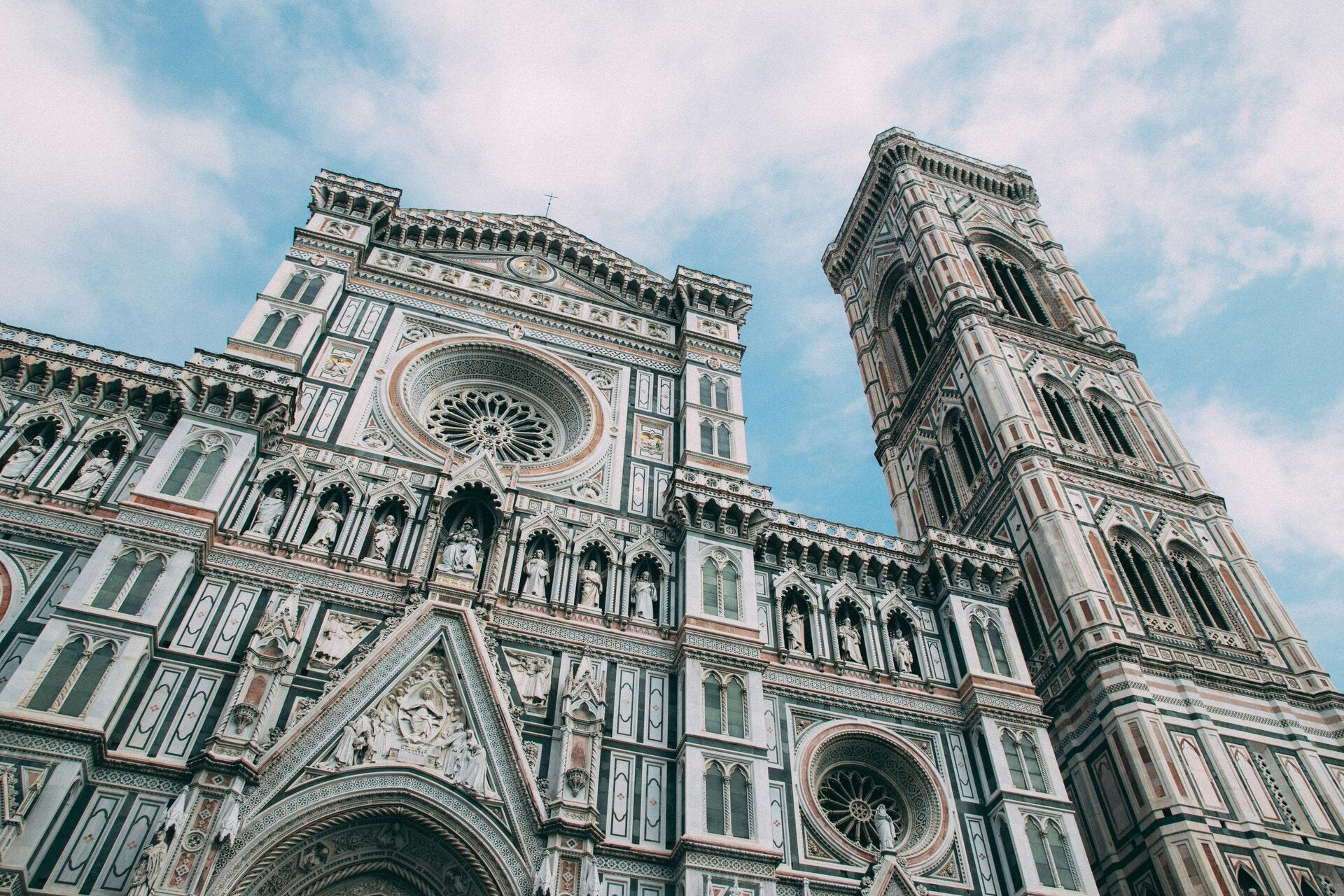
Florence is the heart of Italy’s art, history, and culture, offering an unmatched concentration of world-famous masterpieces in a walkable, beautiful city. Home to the Renaissance, it invites travelers to admire iconic landmarks like the Duomo and Michelangelo’s David while enjoying charming streets, lively piazzas, and incredible food. With its rich artistic heritage, scenic viewpoints, and welcoming atmosphere, Florence feels both inspiring and effortlessly Italian—making it an essential stop on any Italy itinerary.
Florence is the heart of the Renaissance, filled with art, history, and stunning architecture. The Duomo with its red-tiled dome dominates the skyline, while the Uffizi Gallery houses masterpieces by Botticelli, Michelangelo, and Leonardo da Vinci. Stroll across the Ponte Vecchio, explore the Palazzo Vecchio, and visit the Piazzale Michelangelo for panoramic views of the city. Every street and piazza in Florence offers a glimpse of its artistic and cultural heritage, making it a city where history and beauty are everywhere.
Tuscany – Rolling Hills & Wine
Travel Time: Florence → Tuscan countryside: ~1.5 hours
Estimated Time 1-2 days
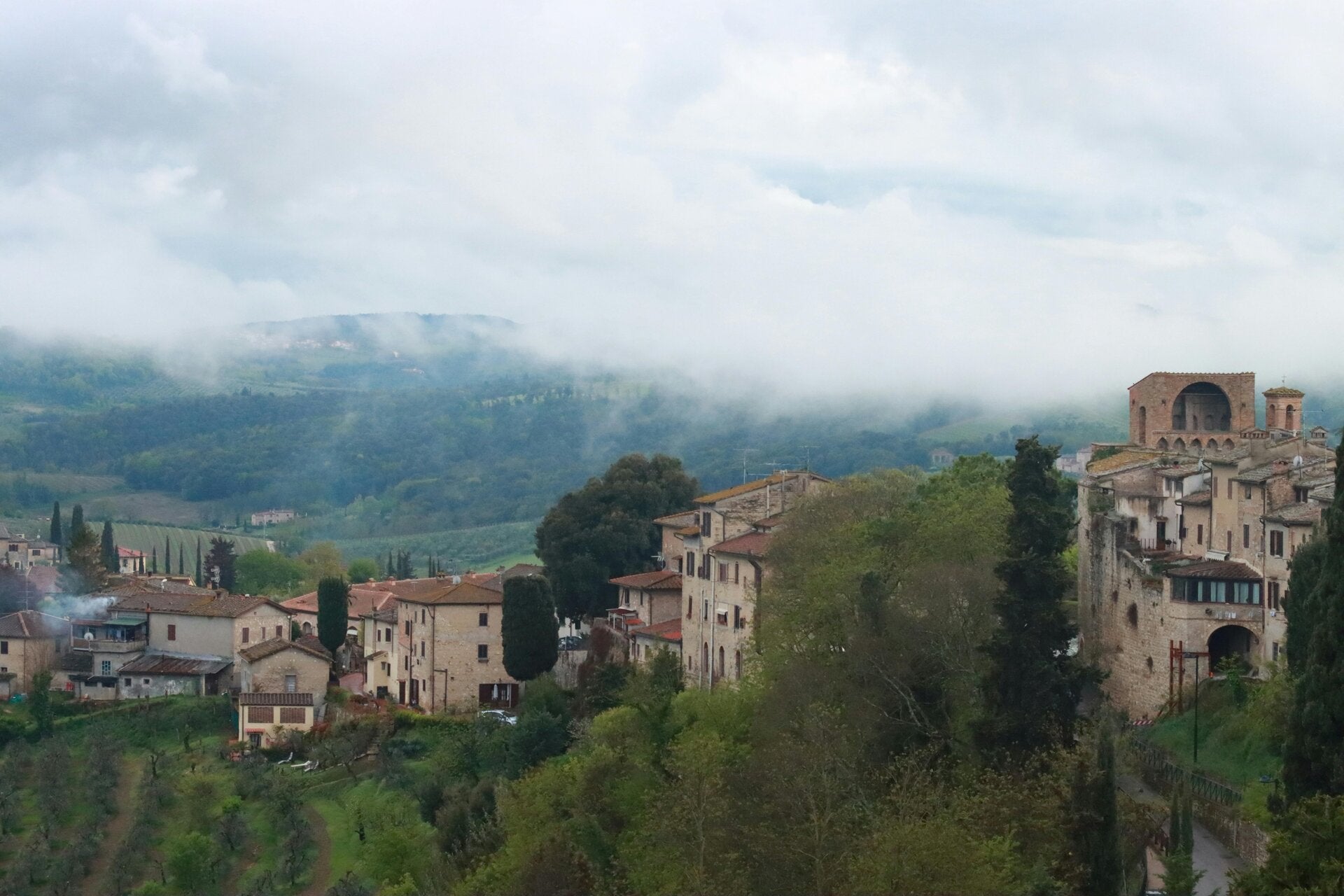
Tuscany captures the classic Italian countryside dream with its rolling hills, golden vineyards, and timeless hilltop towns. It’s the perfect place to slow down and experience Italy at a more relaxed pace, whether you’re sipping wine in Chianti, wandering medieval villages like San Gimignano, or enjoying farm-to-table meals at a countryside agriturismo. With breathtaking scenery, rich traditions, and warm hospitality, Tuscany offers an authentic and unforgettable Italian experience.
Tuscany is a region of rolling hills, charming villages, and iconic landscapes that feel like a living postcard. Explore the medieval streets of Siena, admire the leaning tower of Pisa, and wander through the art-filled city of Florence, the birthplace of the Renaissance. The countryside is dotted with vineyards, olive groves, and hilltop towns like San Gimignano, offering stunning views, historic architecture, and a glimpse of traditional Tuscan life.

Rome – The Eternal City
Travel Time: Florence → Rome: ~1.5 hours
Estimated Time: 3 days
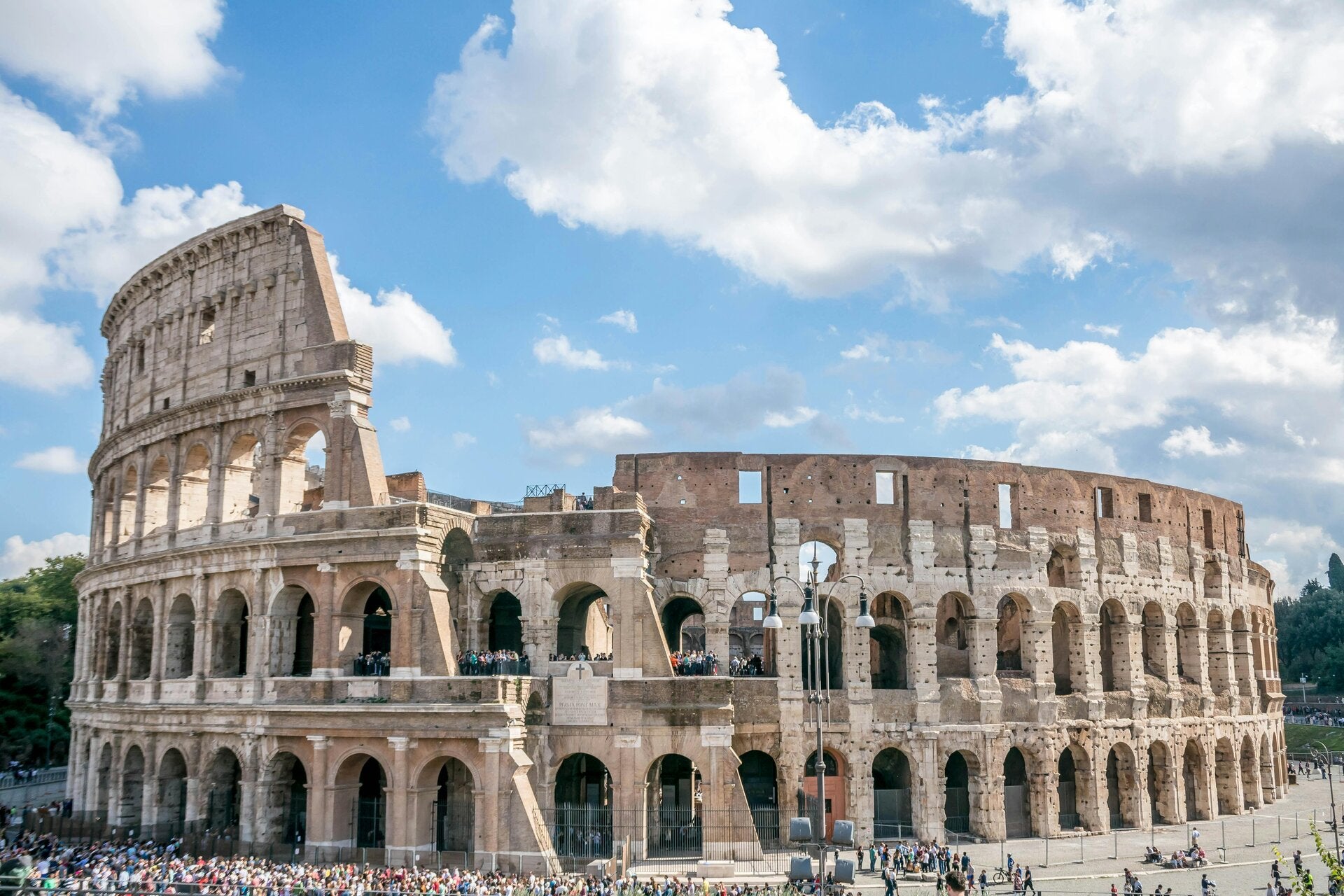
Rome is a living museum where ancient history and everyday life exist side by side. From iconic landmarks like the Colosseum and the Roman Forum to the Vatican and its world-famous art, the city offers an unmatched depth of culture and history. At the same time, Rome is full of lively neighborhoods, charming piazzas, and unforgettable food that make it feel vibrant and welcoming. Every walk through the city tells a story, making Rome an essential and unforgettable stop in Italy.
Rome is a city where ancient history meets vibrant modern life. The Colosseum and Roman Forum showcase the grandeur of the Roman Empire, while the Pantheon and Trevi Fountain highlight the city’s timeless beauty. St. Peter’s Basilica and Vatican City reveal stunning art and architecture, including masterpieces by Michelangelo and Bernini. Wandering through Rome’s piazzas, cobblestone streets, and charming neighborhoods lets you experience its culture, history, and energy at every turn.

Naples - Authentic Italy
Travel Time: Rome → Naples: ~1 hour
Estimated Time: 1-2 days
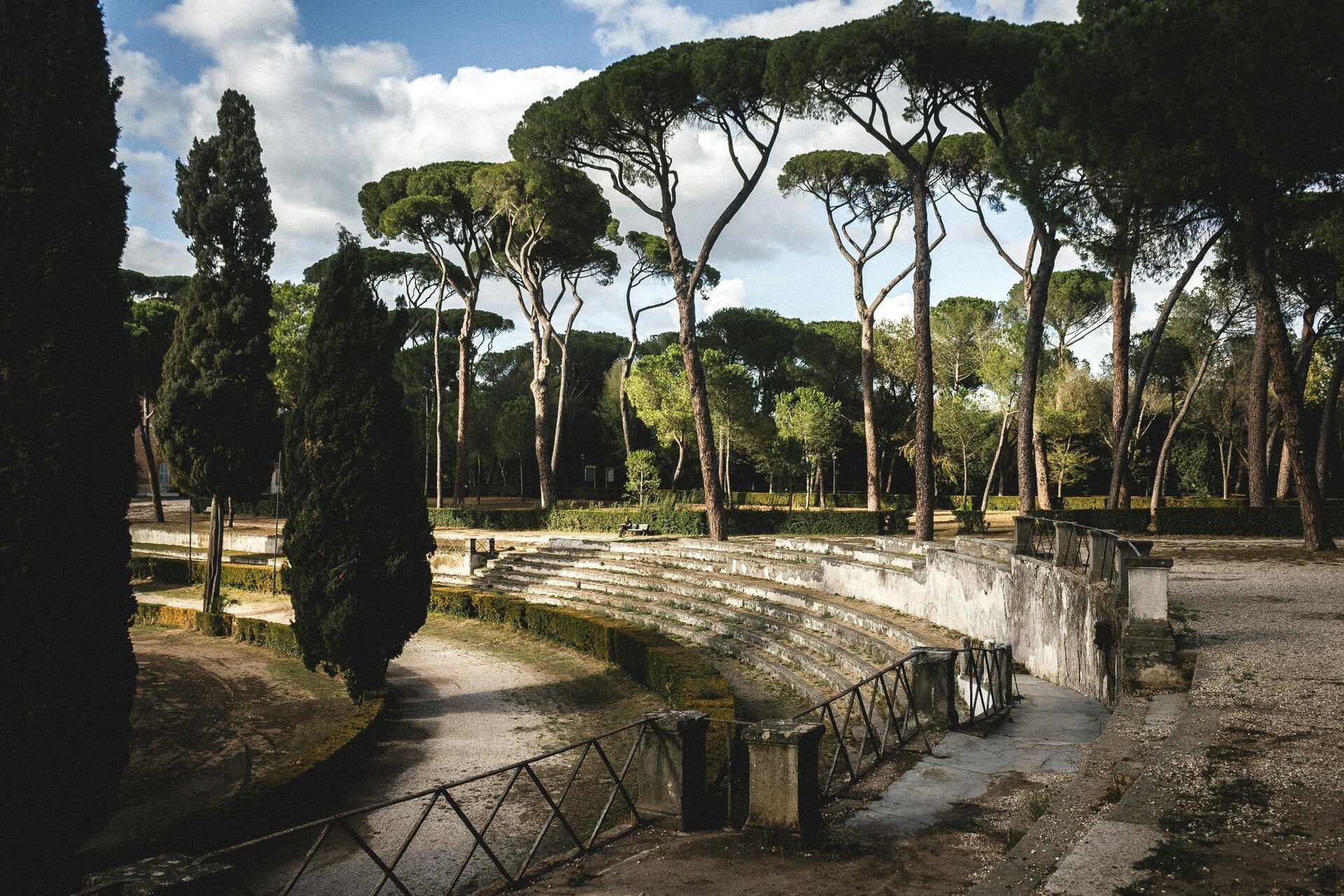
Naples is a city that bursts with energy, history, and flavor, making it a must-visit destination in Italy. It’s the birthplace of pizza, so even a simple Margherita here tastes legendary, and its streets are filled with lively markets, historic churches, and stunning viewpoints over the Bay of Naples. The city’s rich history spans centuries, from ancient Greek and Roman ruins to medieval castles like Castel dell’Ovo, while nearby treasures like Pompeii and Herculaneum offer an unforgettable glimpse into the past.
Naples is a lively city full of history, culture, and stunning views of the Bay of Naples. Its historic city center, a UNESCO World Heritage site, is packed with narrow streets, churches, and ancient squares, while Castel dell’Ovo and Castel Nuovo showcase the city’s medieval and Renaissance architecture. Just outside the city, Pompeii offers a fascinating glimpse into ancient Roman life, with remarkably preserved streets, homes, and frescoes frozen in time by the eruption of Mount Vesuvius in 79 AD. Naples combines the energy of a modern city with easy access to one of the most extraordinary archaeological sites in the world.
Amalfi Coast – Coastal Perfection
Travel Time: Naples → Amalfi Coast: ~1.5 hours
Optional Day Trip: Capri (Blue Grotto + Anacapri)
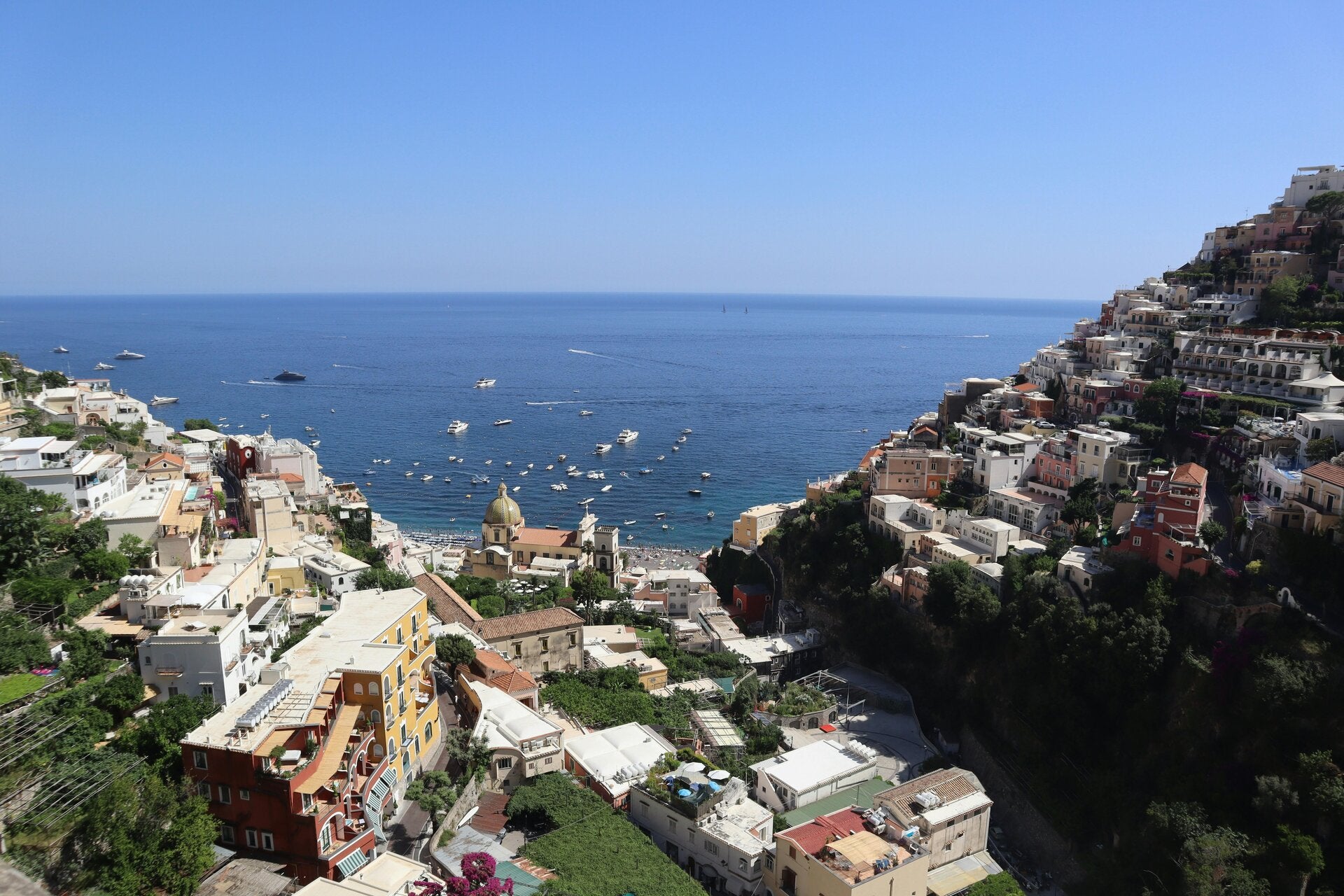
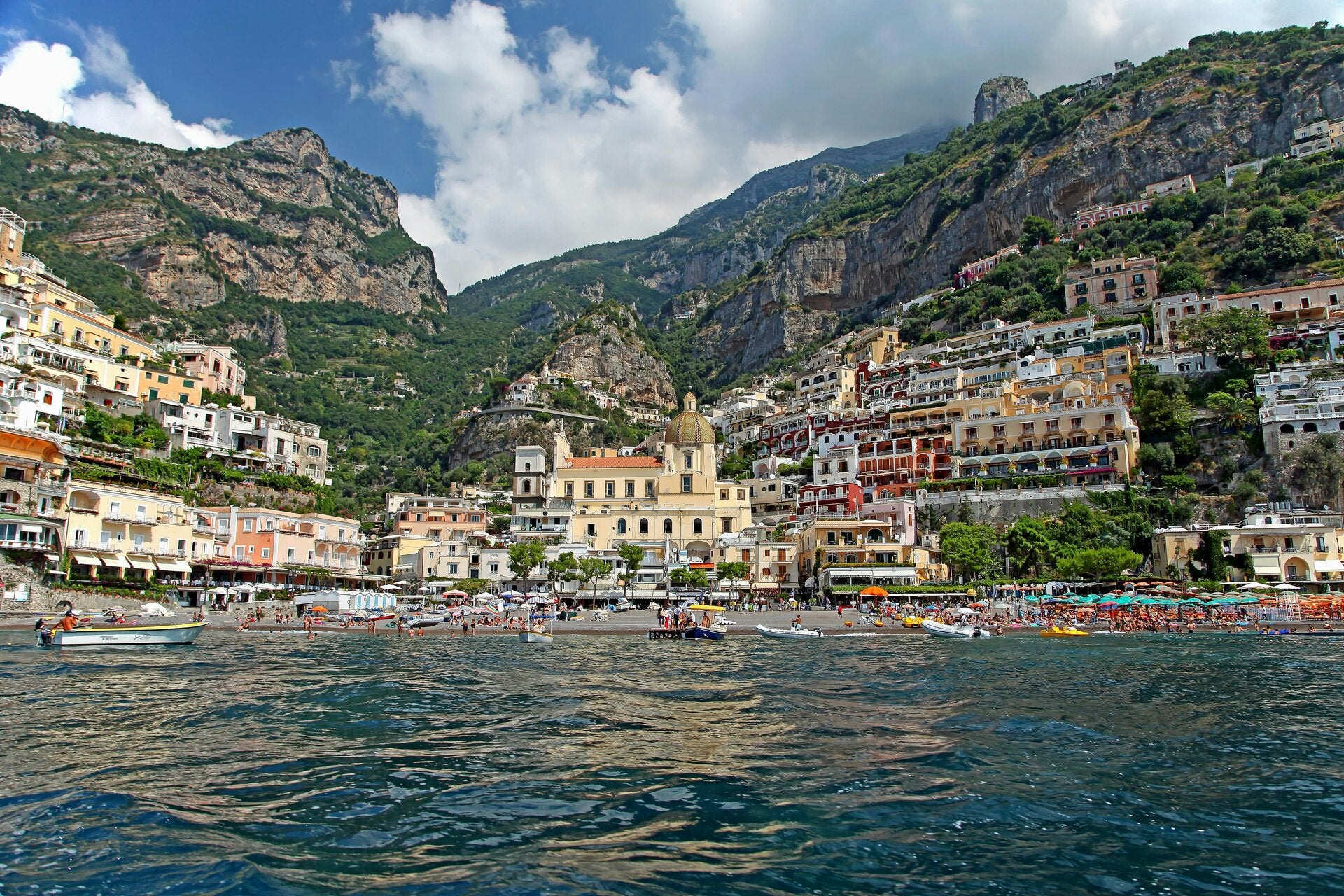
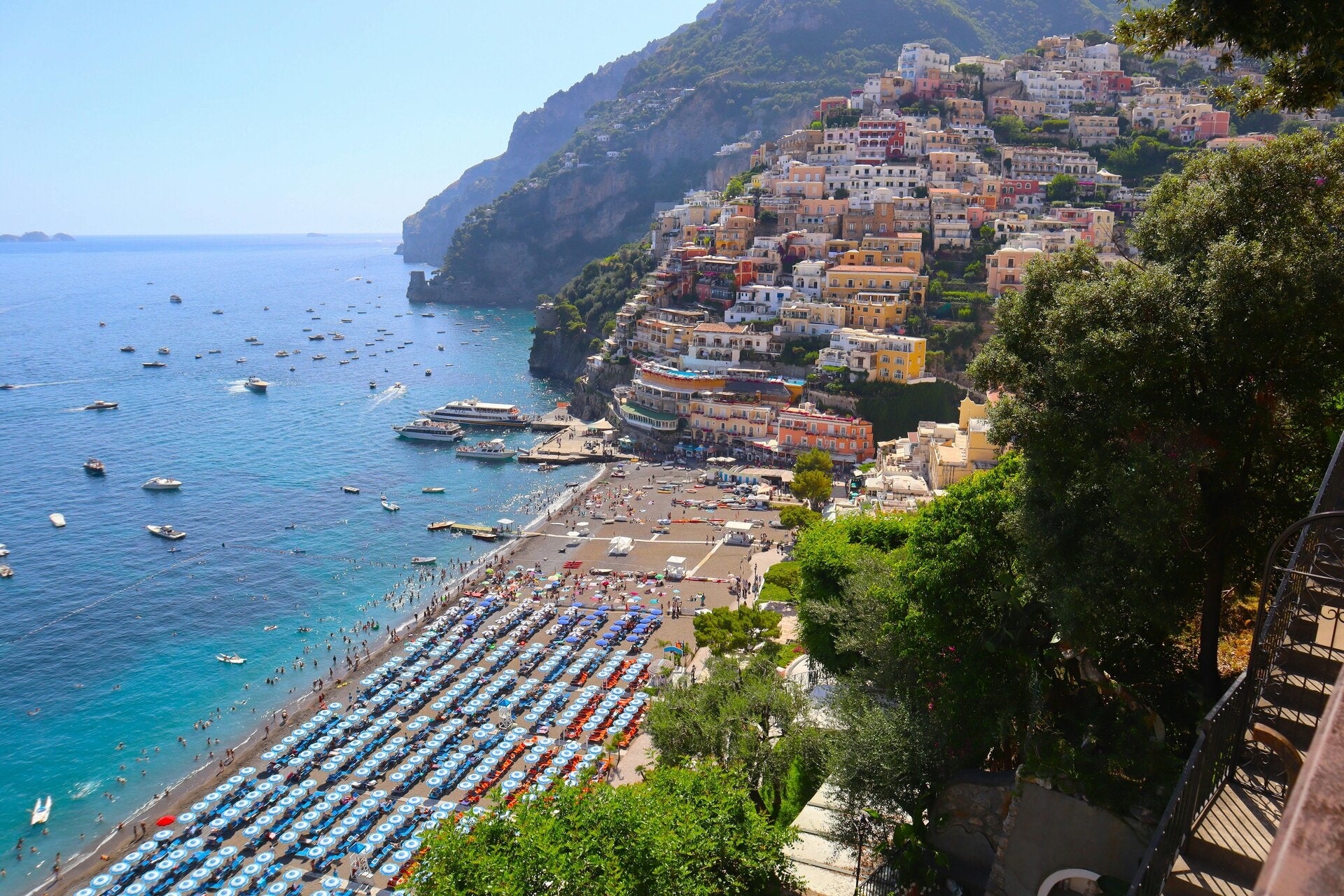
The Amalfi Coast is one of Italy’s most breathtaking destinations, famous for its dramatic cliffs, colorful seaside towns, and sparkling Mediterranean views. Places like Positano, Amalfi, and Ravello offer a perfect mix of relaxation and exploration, with scenic boat rides, beautiful beaches, and unforgettable coastal drives. Paired with fresh seafood, lemon-scented dishes, and stunning sunsets, the Amalfi Coast delivers the ultimate Italian summer escape.
Positano and Sorrento both sit along the Amalfi Coast region and are very close to each other, making it easy to explore both in one trip, while Capri lies just offshore and is reachable by a short ferry ride. Sorrento is often considered the best place to stay between the two, as it’s more affordable, well-connected by train and ferry, and makes a convenient base for day trips to Capri, Positano, and the rest of the coast. Plan about 2 days in Positano to enjoy the beaches, views, and coastal charm, and 1–2 days in Capri for its dramatic scenery and iconic sights. Sorrento itself is worth 2 days for its old town, coastal views, and relaxed atmosphere. In total, spending around 5–6 days in this area allows you to experience the highlights without rushing.
The Amalfi Coast is a breathtaking stretch of cliffs, colorful villages, and sparkling Mediterranean waters. Positano is famous for its cascading pastel houses, narrow streets, and stunning sea views, perfect for wandering and soaking in the scenery. Sorrento, perched on cliffs above the Bay of Naples, offers charming old streets, panoramic viewpoints, and a gateway to the surrounding region, including Pompeii and Capri. Driving or taking ferries along the coast reveals the dramatic landscapes, picturesque harbors, and unique charm that make this area one of Italy’s most iconic destinations.
Getting Around Italy
High-speed trains in Italy, such as Trenitalia and Italo, are efficient and reliable for traveling between major cities. Ferries are ideal for exploring lakes and coastal areas, providing scenic and convenient transport. For regions like Tuscany, renting a car is often the best option, allowing you to explore small towns, countryside roads, and hidden gems at your own pace.
Similar Articles

